The Safety Valve of Maximum Pressure
Trump spent years weaponizing Iranian oil as a geopolitical tool — 1,500 sanctions, exports devastated. In March 2026, in the middle of an active war against Iran, he opened a hole in his own sanctions to keep gas prices down ahead of the midterm elections. Iran is now exporting more oil than before the war, at nearly twice the price.

In 2018, Donald Trump signed 1,500 sanctions against Iran. In March 2026, in the middle of a war with Iran, Trump signed a waiver for 140 million barrels of Iranian oil. Same man. Same pen. Opposite purposes.
This isn't geopolitical strategy. It's electoral arithmetic dressed up as strategy.
The story starts before the war. Trump's "maximum pressure" campaign against Iran — launched in 2018 when he walked away from the nuclear deal — was the most comprehensive sanctions program ever imposed on a single country. More than fifteen hundred restrictions in three years. Iranian oil exports collapsed from 2.5 million barrels per day to under 500,000. Iran's foreign currency reserves fell from $70 billion to $4 billion. The logic was simple and brutal: strangle the economy until the regime capitulates or collapses.
It didn't capitulate. It didn't collapse.
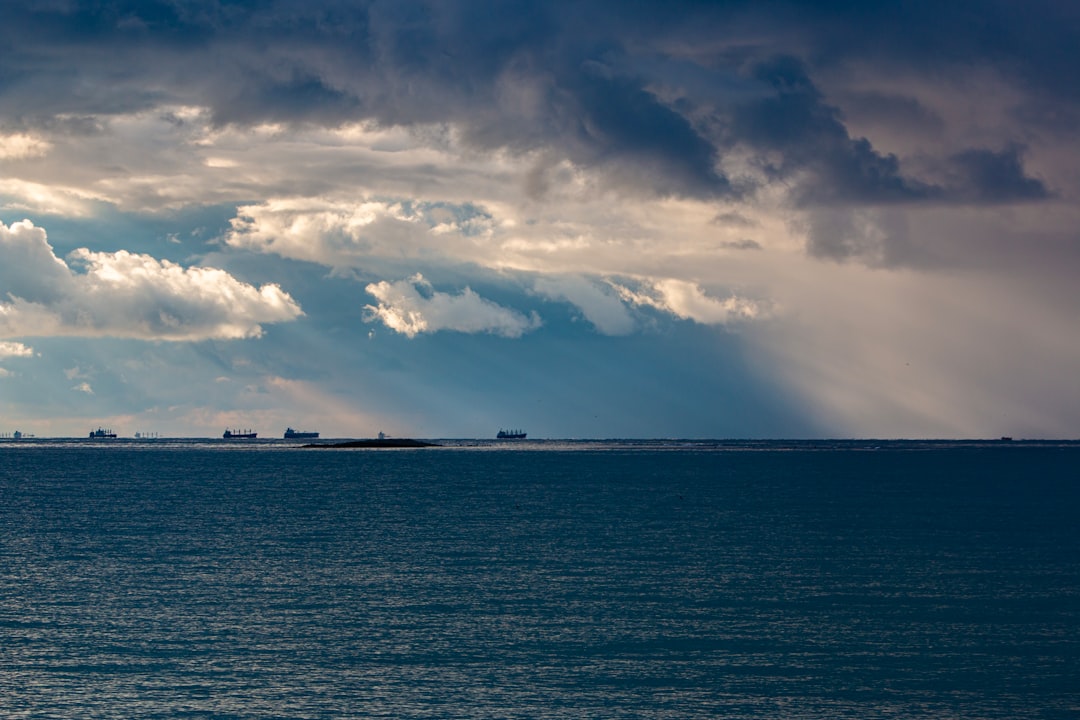
On February 28, 2026, the United States and Israel struck Iran, killing Supreme Leader Khamenei. Iran responded by selectively closing the Strait of Hormuz — the 30-mile corridor through which 20% of the world's oil flows. Oil went to $90. Then $110. Then $120. Gas in America crossed four dollars a gallon in March. American voters noticed.
American voters always notice gas prices. It's the only economic indicator they see every day, on the drive to work, printed in large numbers on the sign at the pump. Not the unemployment rate, not GDP growth. Just the number on the sign. In March 2026, 53% of Americans said the economy was getting worse. The midterms are in November. The House is in play.
That's when the Treasury Department announced, on March 20, the temporary suspension of sanctions on 140 million barrels of Iranian crude already loaded onto ships at sea. A thirty-day waiver. Treasury Secretary Scott Bessent explained the logic with the straight face of someone explaining a chess move: the U.S. would use "Iranian barrels against Tehran to keep prices low."
The irony didn't require explanation. Republican Senator Jerry Moran provided it: the move would enrich "the very countries we seek to harm."
It did. Iran is now exporting 1.8 million barrels per day — a hundred thousand more than before the war — at nearly twice the price. "Maximum pressure" took three years to crush Iranian exports. The war restored them in six weeks, with a profit margin attached.
The historical parallel nobody is reaching for: in 1979, Jimmy Carter watched the Iranian revolution triple oil prices. In 1980, he lost the election to Ronald Reagan, who promised strength where Carter appeared helpless. Gas prices didn't elect Reagan alone — but they built the narrative of an administration that had lost control of events. Forty-six years later, the script kept its plot and changed its cast.
The difference is Carter didn't create the crisis with his own sanctions.
Trump built the program that devastated the Iranian economy. Then launched the war that restored Iran's revenue. First he closed the valve. Then he drilled a hole in it. Then he asked someone to clean up the water on the floor.
The backlash was bipartisan — the adjective Washington reserves for things that are clearly wrong but that nobody has the nerve to undo. Twenty-five Democratic senators signed a letter condemning the move. Republicans Grassley and Moran joined them. Someone called it "shamefully stupid" in public. The electoral calculus was so visible it seemed deliberate: open the Iranian valve, let prices ease a few cents at the pump, and bet that the median voter in Ohio won't read the Wall Street Journal footnotes about who's collecting the money.
If prices hold at current levels through November, analysts are forecasting that Democrats have a real shot at reclaiming the House. That's the arithmetic that matters — not the Strait of Hormuz, not the nuclear program, not the strategic autonomy of the Middle East. What matters is 29 seats in the House and the number on the pump.
Trump said the war would last "two to three months." That was March.
Maximum pressure has a safety valve. It's called November.
Iran noticed.
M. Casamata writes from where the view is best: from the inside. A chronicler and observer of wars he never fought and politicians he never voted for. He believes the world is heading somewhere — he's just not sure where. Writing at The Bunker 26 since 2026.
Comments
Offensive or disrespectful comments may be removed by the administration.